Understanding the Shoulder
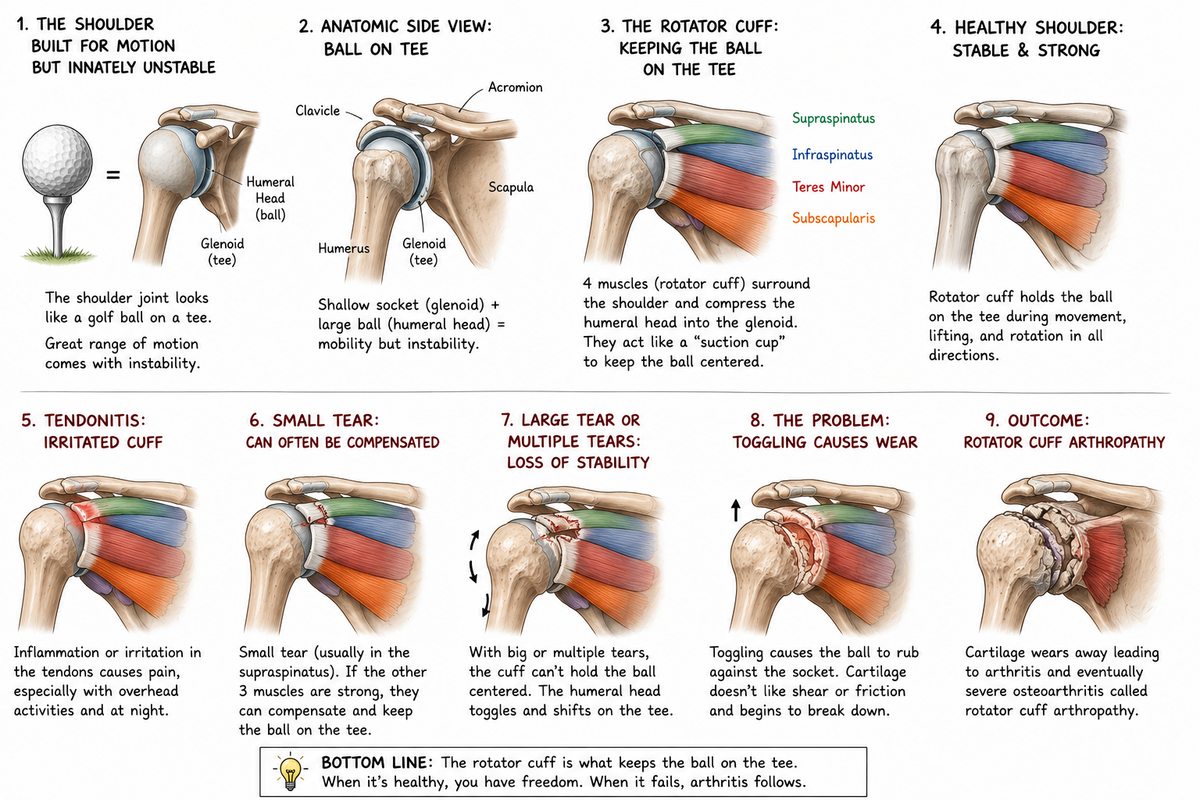
The shoulder is a ball-and-socket joint that allows a wide range of motion. Smooth cartilage covers both surfaces. When that cartilage wears away — from arthritis or rotator cuff damage — bone rubs on bone, causing pain, stiffness, and loss of motion.
Two Types of Shoulder Replacement
Which type is right for you depends primarily on the condition of your rotator cuff. Dr. Kee will evaluate your imaging to determine the best approach.
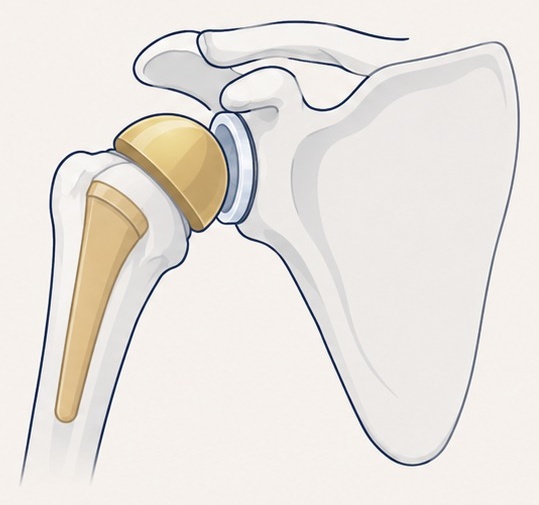
For intact rotator cuff
Anatomic Total Shoulder Replacement
Recreates the shoulder's natural anatomy. Relies on a healthy, functioning rotator cuff to move the arm properly.
Learn More →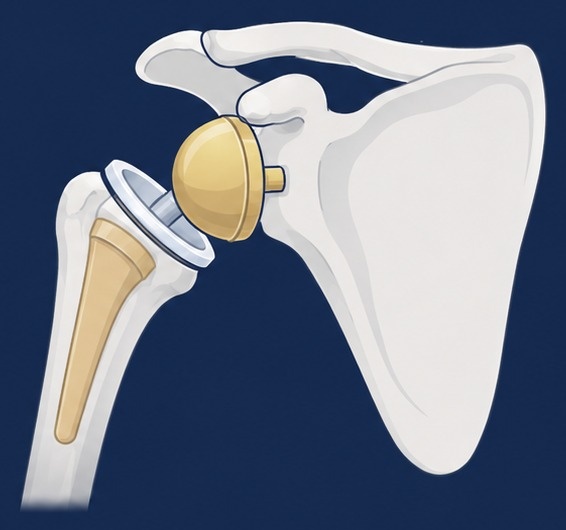
For damaged rotator cuff
Reverse Total Shoulder Replacement
Flips the ball-and-socket to allow the deltoid muscle to lift the arm even when the rotator cuff no longer functions.
Learn More →"When the rotator cuff is intact, anatomic replacement restores natural mechanics. When it's not, reverse replacement lets the deltoid do the work the cuff no longer can."
Recovery
4–6 Wks
Typical sling use
8–12 Wks
Structured PT course
Months
Continued strength gains
Ready to Talk About Your Shoulder?
Schedule a consultation with Dr. Kee to discuss whether shoulder replacement is right for you.